How Florida’s Salt Air Eats Your Trailer Frame
Florida has many perks. There are balmy temperatures, sunshine, beaches, and, of course, Disney World. But Florida isn’t without its downsides, one of which is the salt air and the havoc it can wreak on metal, particularly cars and trailers. Not only is rust incredibly destructive, but it is at work 24/7. If you own a trailer, durability and safety are major concerns, and knowing how rust forms and how to stop it is crucial.
 Why is Salt Air So Destructive?
Salt air doesn’t just sit on your trailer; it actively accelerates corrosion. Tiny salt particles float through the air and settle on exposed metal surfaces. Combine that with humidity, and it creates a thin electrolyte layer that dramatically speeds up oxidation (rusting).
Unfortunately, your trailer doesn’t even have to come into contact with saltwater to be at risk. In coastal regions like Florida, corrosion can begin simply from having it parked outdoors. This leads to weakened frames, failing components, and expensive repairs or early replacement.
Where Rust Hits First
Not all parts of your trailer deteriorate at the same rate. The most vulnerable areas include the frame and undercarriage due to constant exposure to moisture and road spray; brakes and suspension; electrical systems; and hardware. Rust can also affect moving parts, such as couplers, chains, and jacks, weakening them and making them unsafe.
Left untreated, rust is not just unsightly; it can also compromise the trailer’s structural integrity and safety.
The Power of Galvanized Coatings
Galvanization is one of the most effective methods of corrosion protection. This process involves coating steel with a zinc layer, typically through hot-dip galvanizing. Here’s why it works so well.
- Barrier Protection: The zinc layer physically shields the steel from moisture and oxygen.
- Self-Healing Properties: Minor scratches can be “sealed” as zinc redistributes across exposed areas.
- Sacrificial Protection: The zinc corrodes first, protecting the underlying steel.
The triple-layer defense makes galvanized trailers much more resilient than painted or untreated steel, which is a major upgrade for Florida residents.
 How Long Does Galvanization Last?
Done correctly, a galvanized trailer can last decades. In many cases, galvanized chassis outperform painted ones by a huge margin, often providing 20 to 30 years of service with minimal maintenance.
Compare that to painted steel, which can start showing significant rust in as little as 5-10 years in harsh environments.
For Florida trailer owners, it’s not a minor difference; it’s the difference between long-term reliability and constant repairs or needing an early replacement.
It should be noted that galvanization doesn’t eliminate rust. The zinc layer wears down over time, but the key is that galvanization significantly slows the process, letting you get more years out of your trailer than if it were only painted.
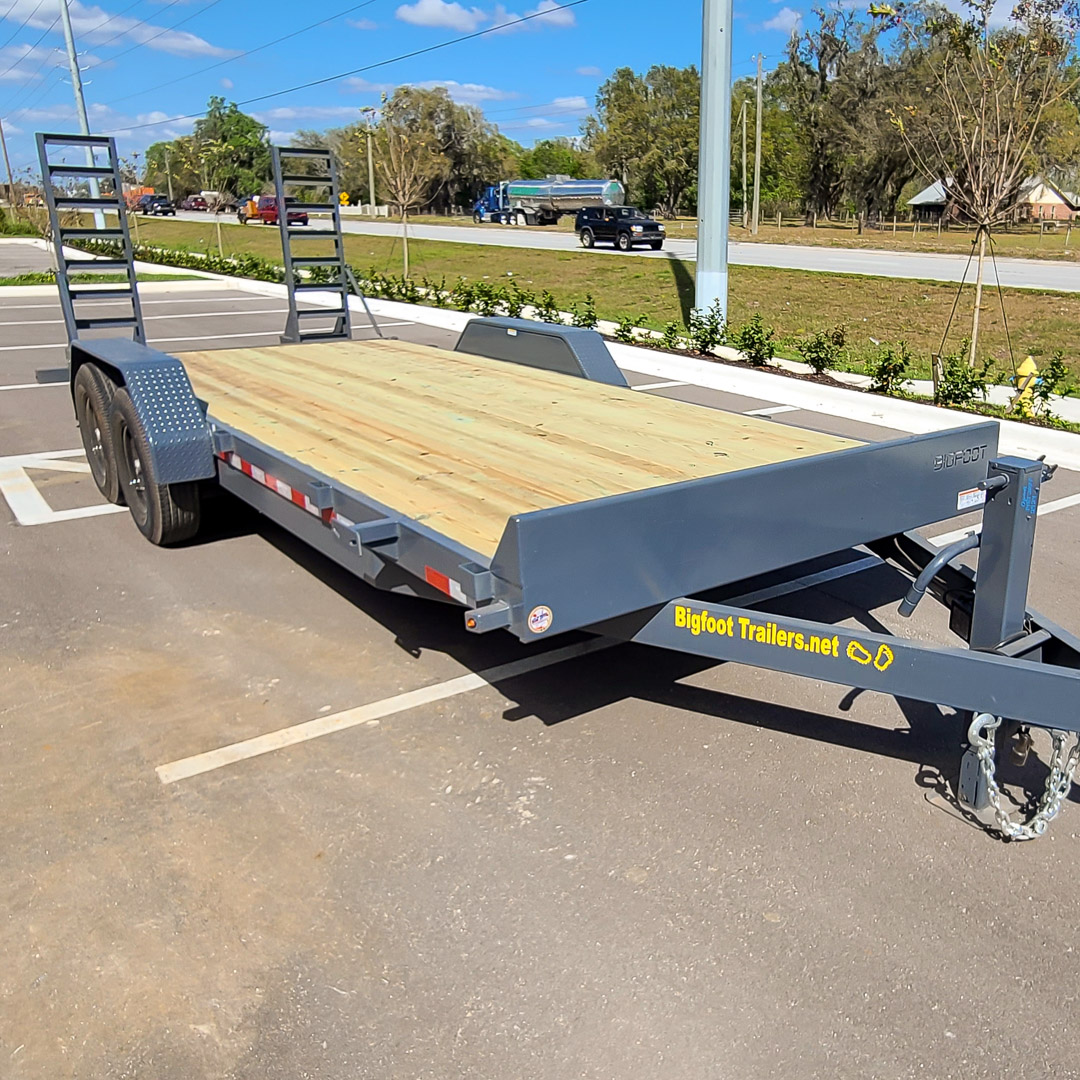
Bigfoot Trailers uses Bigfoot Evercoat Paint, which offers the highest durability, providing maximum corrosion protection. Our trailers are proudly made in the U.S.A. with premium materials and components, resulting in a high-quality product that withstands challenging environments and outperforms the competition, delivering a higher return on investment.
Call us today or reach out online.