The Anatomy of a Gooseneck: Why the Hitch Makes All the Difference
If you’re pulling a heavy load, you can’t just use any trailer hitch. For contractors, farmers, and anyone hauling a large trailer, the gooseneck hitch is the king. But what makes it so good? The answer lies in the anatomy of the gooseneck itself and why its design makes all the difference in performance, safety, and control.
What is a Gooseneck Hitch?
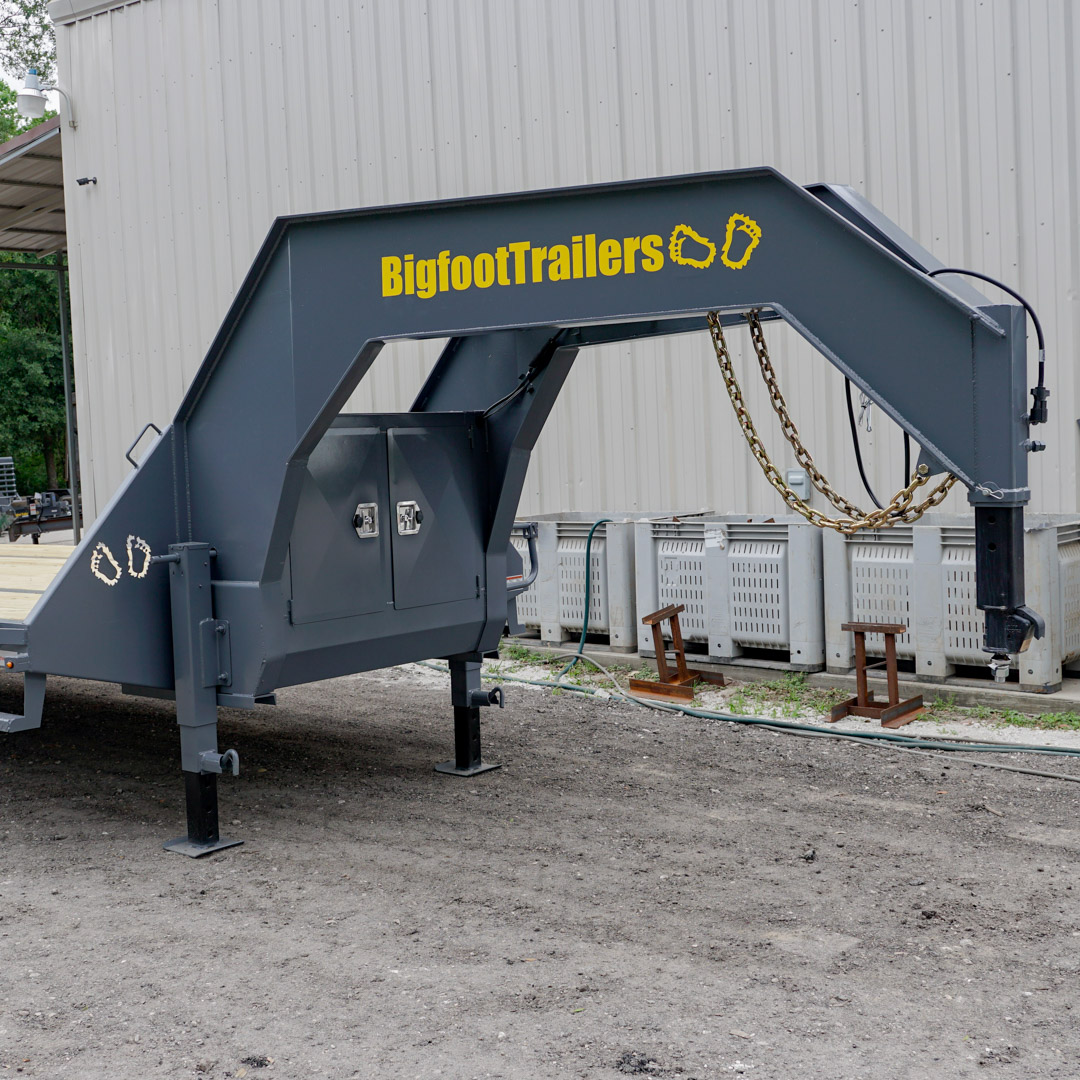
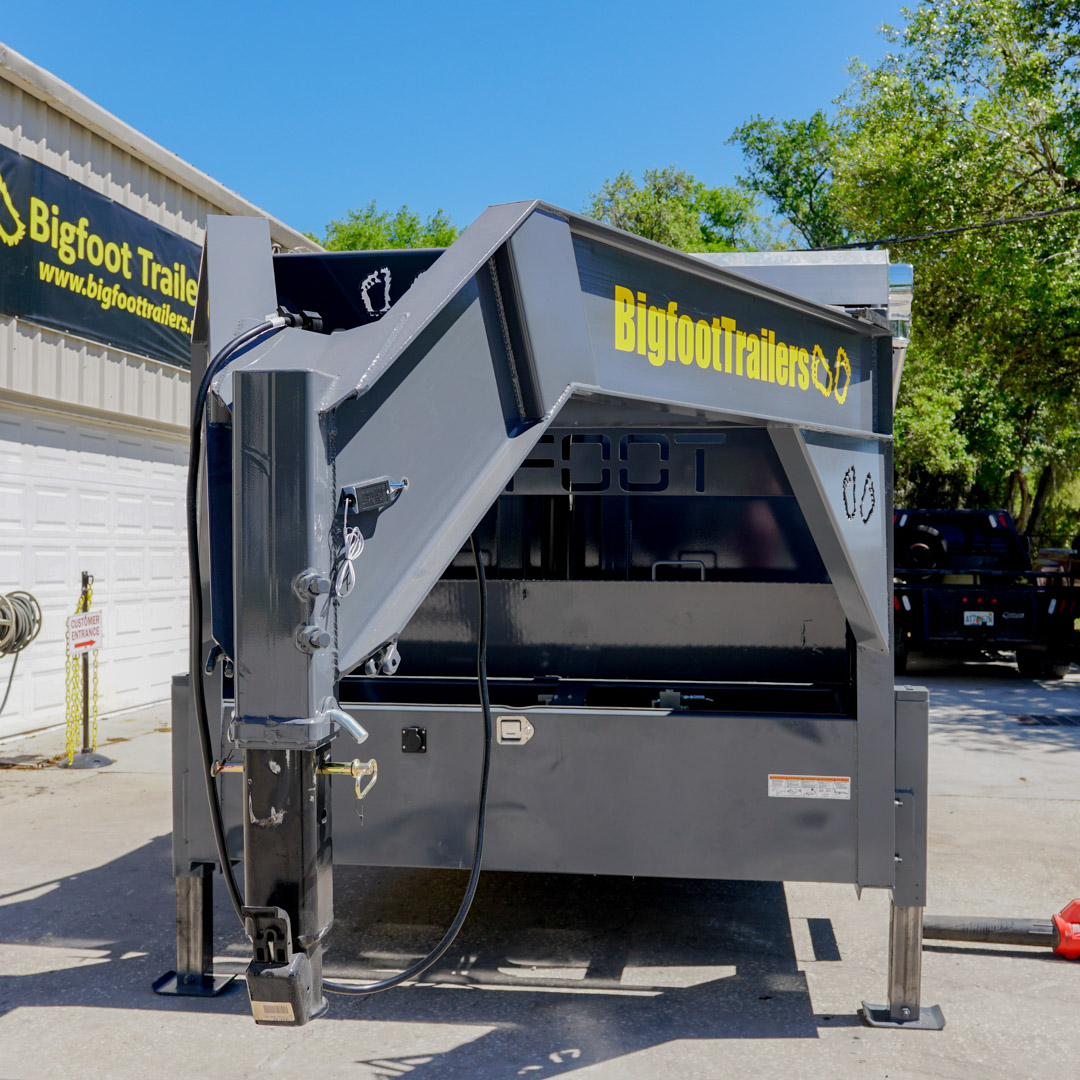 A gooseneck hitch is a towing setup that connects a trailer to a ball hitch mounted in the bed of a pickup truck, rather than at the rear bumper. The trailer features a long, curved “neck” that extends over the truck bed and attaches directly to the hitch ball. This design shifts the connection point forward, placing it over or slightly ahead of the rear axle.
That one change—moving the pivot point—has a major impact on how the entire system behaves on the road.
The Key Components of the Gooseneck System
You can better understand why this hitch performs so well by looking at its core components.
The Hitch Ball
Mounted in the truck bed, the hitch ball is the central connection point. It’s typically rated for much higher weight capabilities than traditional hitches, making it the best solution for heavy-duty towing.
The Gooseneck Coupler
This is the mechanism at the end of the trailer’s neck that locks onto the hitch ball. It provides a secure, tight connection that minimizes play and movement during transit.
The Gooseneck Arm (Or Neck)
The curved arm extending from the trailer is what gives the gooseneck its name. Its shape allows the trailer to clear the truck bed while maintaining a forward connection point.
Safety Chains and Wiring
As with any towing setup, safety chains and electrical connections ensure that braking, signaling, and emergency backup systems are in place.
Each component works together to create a towing system that is both strong and stable—but the real magic is in how the weight is distributed.
Why Hitch Placement Changes Everything
The biggest advantage of a gooseneck hitch is its position over the axle. Traditional bumper-pull trailers are attached several feet behind the axle, creating leverage that can cause sway, especially at higher speeds with uneven loads.
With a gooseneck hitch, the weight is centered over the truck’s strongest structural point. This leads to:
- Improved stability through less trailer sway, which means safer handling even in winds or rough conditions.
- Better weight distribution because the load is shared more evenly between the truck’s axles.
- Increased towing capacity, meaning trucks can safely handle heavier loads with a gooseneck setup compared to a bumper-pull hitch.
Maneuverability and Control
Another big benefit of a gooseneck hitch is its superior maneuverability. Because the pivot point is in the truck bed instead of the rear bumper, drivers can make tighter turns without risking jackknifing or trailer interference. This is valuable in job sites with limited space, on farms and rural properties, and on loading docks and construction zones.
Durability and Real World Performance
Gooseneck hitches are built for demanding conditions. Whether hauling equipment, livestock, or building materials, they’re designed to handle repeated heavy use without compromising performance.
The robust connection between the hitch ball and coupler reduces wear and tear compared to other systems. Less movement means fewer stress points, resulting in longer-lasting components and fewer maintenance issues over time.
Bigfoot Trailers Can Help!
At Bigfoot Trailers, we specialize in making high-quality trailers at factory-direct prices. If you have questions about trailers or hitches, we’re the experts you can trust.