Trailer Towing Tips: How to Prevent Trailer Sway
A trailer that sways while towing is unsettling and dangerous. That side-to-side fishtailing motion starts small, but can quickly turn into a white-knuckle ride if you don’t handle it correctly. The good news is that trailer sway is largely preventable. Proper setup, loading, and driving habits will keep your trailer stable and your trip from turning into a disaster.
Here’s how to prevent trailer sway before it starts.
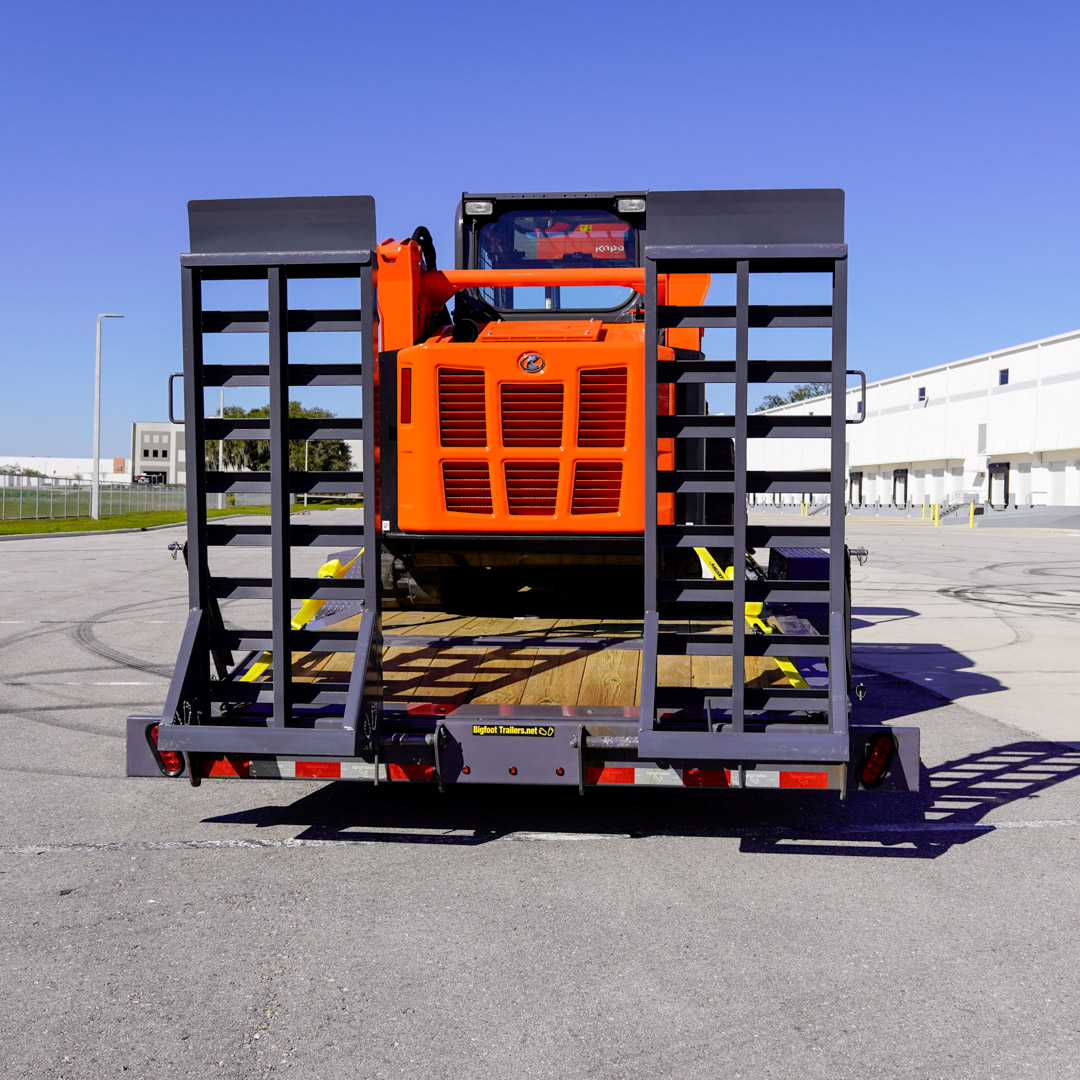
Why Do Trailers Sway?
Trailer sway usually happens when the trailer’s center of gravity is off, the tongue weight is incorrect, or outside forces act on the trailer. Common triggers include strong crosswinds, passing trucks, sudden steering corrections, downhill grades, or improper loading. A trailer that’s poorly matched to the tow vehicle is also more likely to sway.
Once it starts swaying, it feeds on itself, making preventing it way more important than trying to correct it on the road.
Get the Tongue Weight Right
One of the most important things you can do to prevent a swaying trailer is to get the tongue weight right. As a general rule, the tongue weight should be about 10-15% of the total trailer weight. Too little tongue weight allows the trailer to pivot more easily, increasing the sway. Too much tongue weight can overload the rear of the tow vehicle, reducing steering control.
If the trailer feels light at the hitch or bounces excessively, it’s a good sign that the tongue weight is too low. A tongue weight scale or using a public scale can help you dial it in accurately.
Load the Trailer Correctly
The way you load the trailer matters as much as the weight. You should put heavy items low and slightly forward of the trailer axles, not at the rear. Weight at the back acts like a lever, making sway more likely to happen.
Don’t stack heavy gear high or unevenly from side to side. A balanced trailer tracks straighter and responds more predictably to steering and wind. Before you hit the road, double-check that the cargo is secured so it can’t shift when you’re driving.
Match the Trailer to the Tow Vehicle
It doesn’t matter how perfectly loaded your trailer is; it can still sway if the tow vehicle isn’t up to the task. Make sure your vehicle’s towing capacity exceeds the fully loaded trailer weight, not just the manufacturer’s dry weight.
Wheelbase also matters. Shorter vehicles are more prone to sway because they have less leverage to control the trailer. If you’re towing near your vehicle’s limits, extra care with setup and equipment becomes even more critical.
Use a Weight Distribution Hitch and Sway Control
A weight distribution hitch helps spread the trailer’s weight more evenly across the tow vehicle’s axles, improving steering and braking. Many systems also include built-in sway control, which adds friction or resistance to reduce side-to-side movement.
For larger trailers, especially travel trailers, a dedicated sway-control device or an integrated system is a better choice. These don’t eliminate poor loading or bad driving habits; they provide a valuable layer of stability.
Check Tire Pressure and Suspension
Underinflated tires on either the trailer or the tow vehicle can make it sway worse. The trailer’s tires should be inflated to the pressure listed on the sidewall, not the vehicle door sticker. Tow vehicle tires should be properly inflated for towing conditions, which might be higher than normal driving pressure.
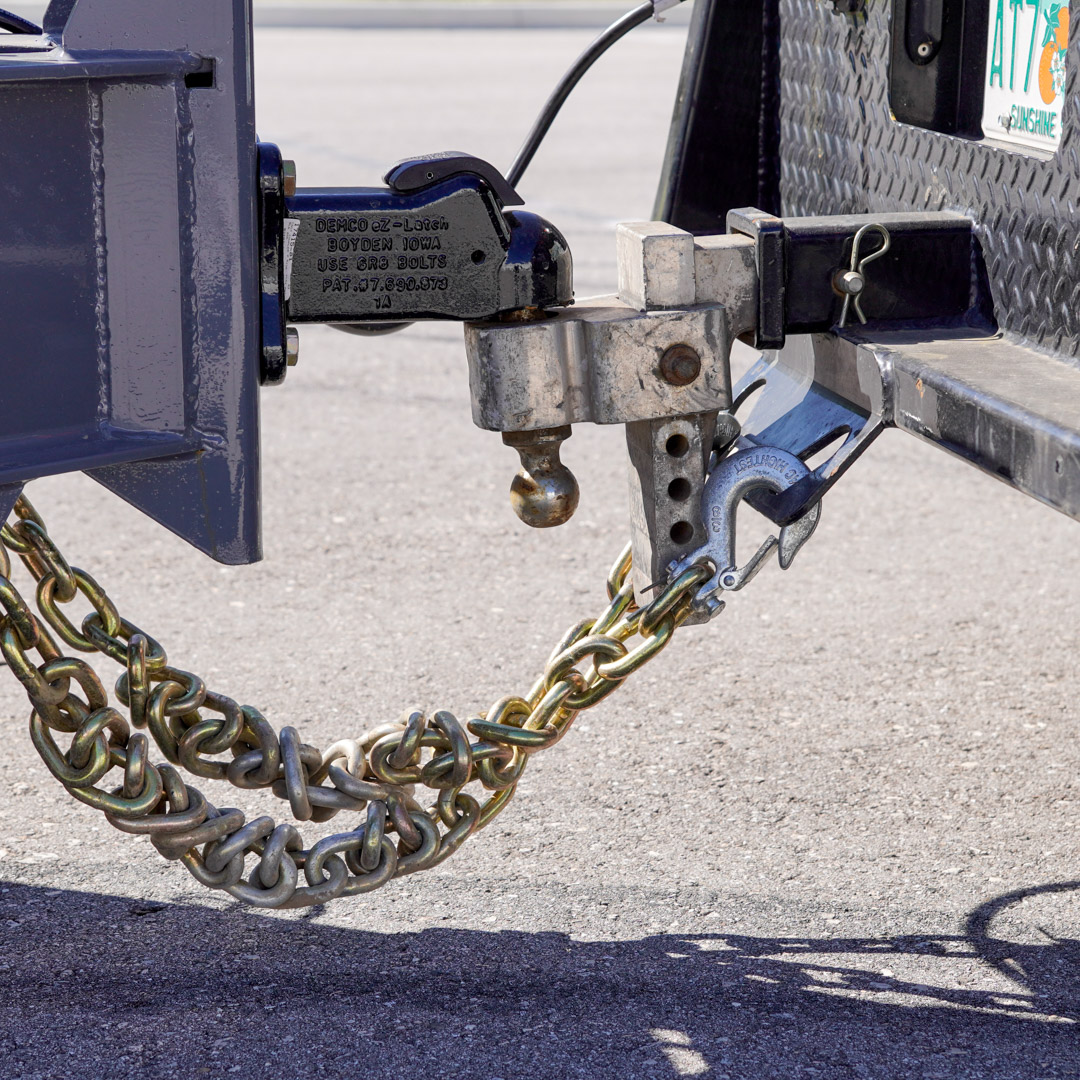
Worn suspension, weak shocks, or sagging springs can also make everything more unstable. If the vehicle’s rear squats noticeably when the trailer is attached, suspension upgrades or a weight distribution hitch might be in order.
Better Driving Habits
Lastly, your driving habits play a big role in preventing sway. Keep speeds moderate, especially in windy conditions. Many trailers have a maximum recommended towing speed, often lower than highway limits.
Keep your steering smooth and avoid sudden lane changes. Leave plenty of following distance so you don’t have to brake abruptly.
Contact Bigfoot Trailers
We specialize in handcrafting high-quality trailers. We’re family-owned and operated and can help you get the best trailer for your towing needs. Call us today!