Understanding Different Types Of Trailer Brakes
From farming to construction and field service operations, trailers are indispensable assets for hauling heavy equipment, vehicles, and other demanding payloads. The most important trailer feature, other than the wheels, is the trailer brakes. Whether you are carrying an empty trailer or 15,000 pounds of materials, it’s essential to understand the different types of trailer brakes.
The Different Types of Trailer Braking Systems
There are three types of brakes for trailers: electric, hydraulic, and surge.
Electric brakes
Electric brakes are the most common and versatile braking system for modern trailers. The brakes operate using an electronic signal from the tow vehicle’s brake controller. When the driver applies the brakes of the vechicle it also sends a signal to the trailer’s brakes. This signal activates the electromagnets that engage the braking mechanism. The elctric brake system allows for synchronized braking between the tow vehicle and the trailer.
Hydraulic brakes
Hydraulic brakes utilize a fluid-based system, similar to those found in your tow vehicle. They can be either electric-over-hydraulic or surge brakes. Electric-over-hydraulic systems use an electric signal to activate a hydraulic pump, which applies pressure to the brakes, slowing and stopping the trailer.
Surge brakes
Surge brakes are a type of hydraulic brake system that operates independently of the tow vehicle’s brakes. When the tow vehicle slows down, the trailer “surges” forward, causing a piston inside the trailer’s hitch to compress. This compression builds hydraulic pressure, which then activates the brakes. Surge brakes are common on boat trailers and rentals, but they are generally less responsive and offer less control than electric brakes.
Drum Brakes Vs. Disc Brakes
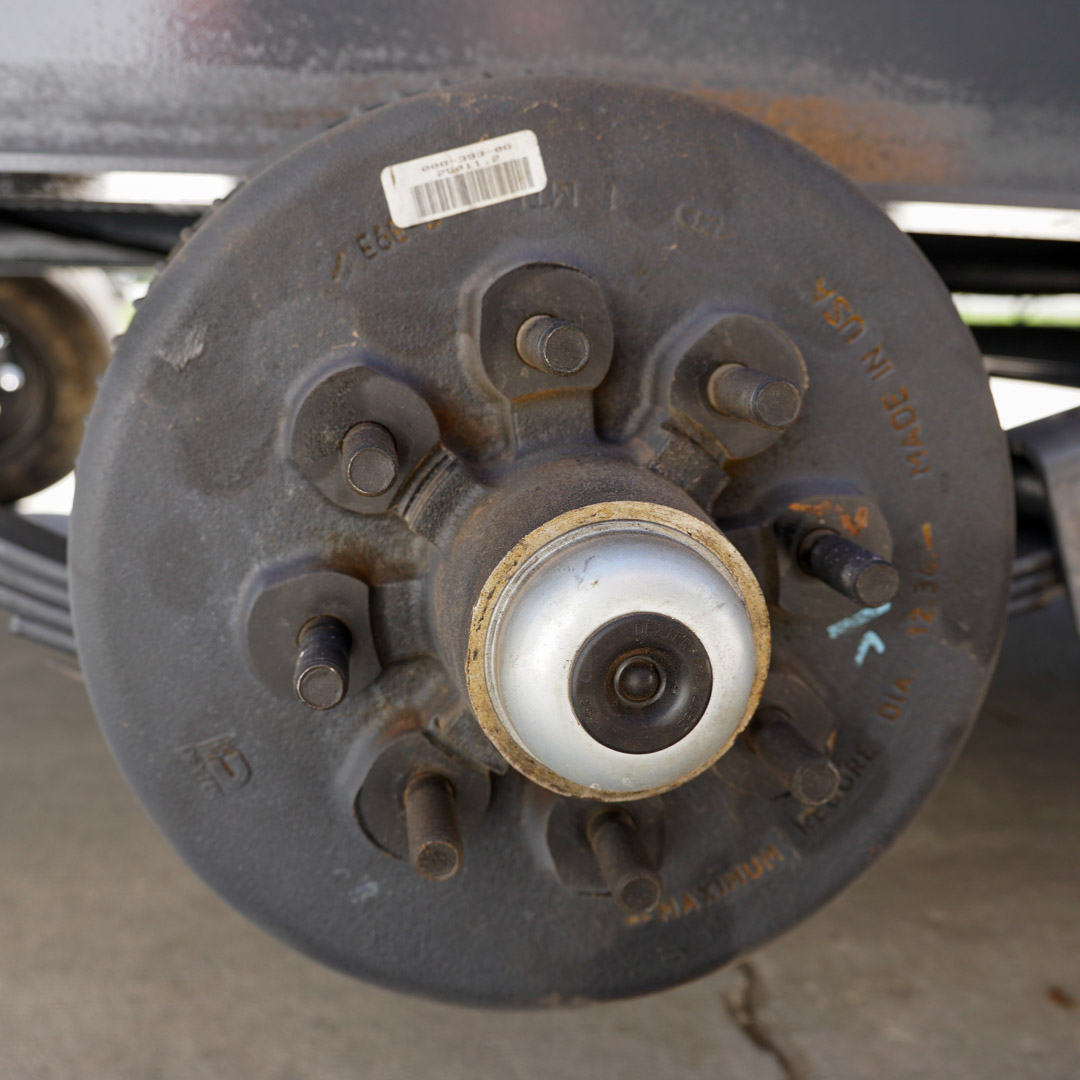
- Drum Brakes are the industry standard and a feature on every Bigfoot trailer. It has a hollow, rotating drum with brake shoes inside. When you apply the brakes in your tow vehicle, the trailer’s shoes press outward against the drum’s inner surface, creating friction that slows the trailer.
- Disc Brakes function like those on a car. A caliper clamps down on a spinning rotor to generate friction. Disc brakes generally offer superior stopping power and are less prone to brake fade.
Self-Adjusting Brakes
Self-adjusting brakes automatically maintain the correct gap between the brake shoes and the drum. This gap ensures optimal braking performance. This feature eliminates the need for manual adjustments! It also ensures consistent and reliable stopping power. Every Bigfoot trailer features premium Dexter axles and self-adjusting drum braking systems, providing superior stopping power on both wet and dry surfaces without requiring manual adjustments.
What is a Breakaway Kit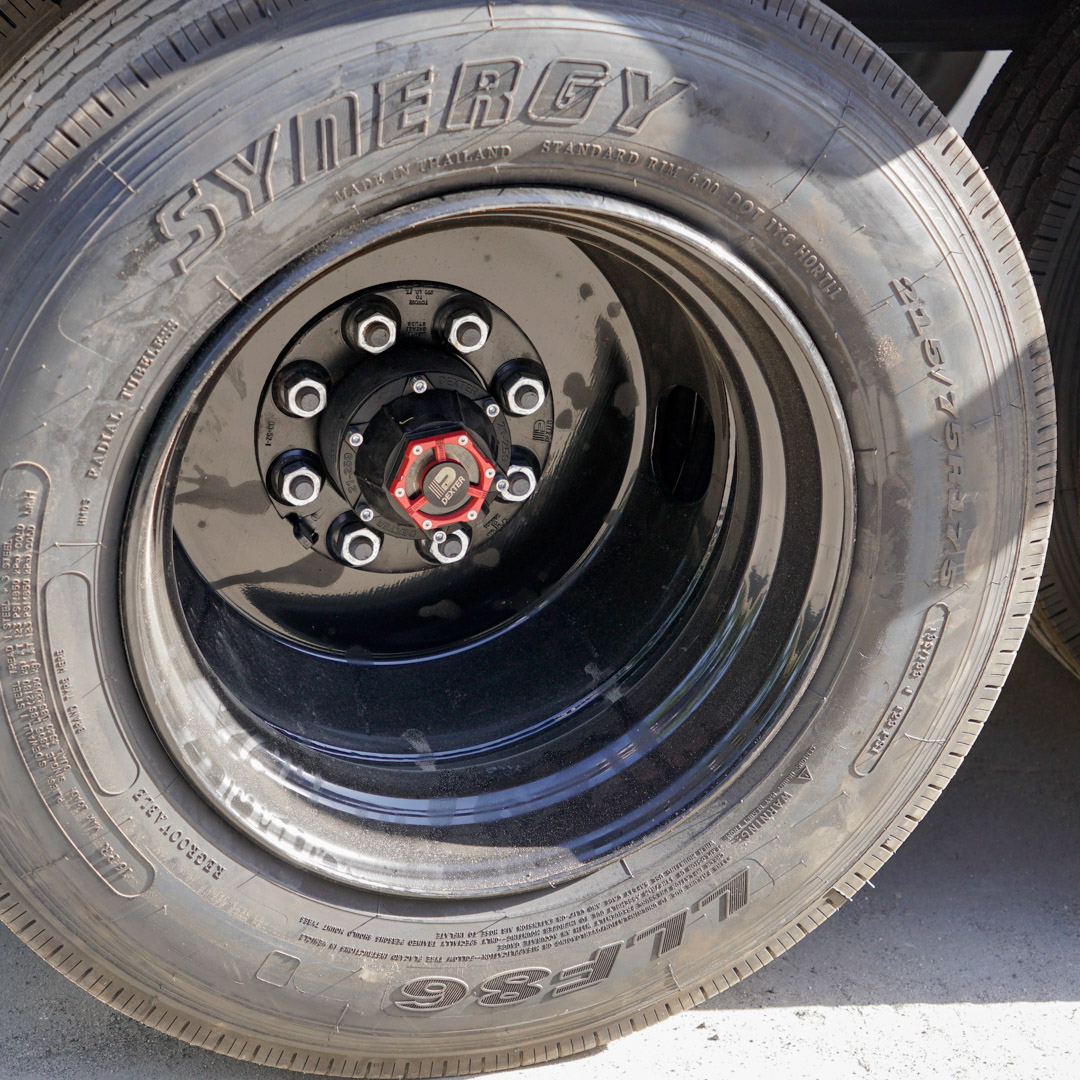
A breakaway kit is an essential safety feature and is required by law on most trailers. It includes a battery and a switch. In the event the trailer becomes disconnected from the tow vehicle, the trailer’s brakes will activate automatically. This device prevents the trailer from continuing to roll, minimizing the risk of a runaway trailer and a potential accident.
We Deliver Bumper Pull Trailers with Premium Brakes
At Bigfoot, safety is our top priority. Our exclusive handcrafted trailers come with premium brake systems, ensuring superior stopping power on both wet and dry surfaces. As a factory-direct manufacturer, we service the entire Eastern United States with locations in Jonesboro, GA; Durham, NC; Richmond, VA; Portland, ME; and by appointment with retailers in Fort Myers and Marianna, FL. Experience the Bigfoot difference. Contact us at https://www.bigfoottrailers.net/ for a free quote. Ask about our financing and rent-to-own options.